El Salvador, a nation often characterized by its dynamic shifts, finds itself at a pivotal juncture, navigating a complex web of el salvador legal changes. From pioneering the global adoption of Bitcoin to reconsidering its foundational constitutional principles, President Nayib Bukele's administration has instigated reforms that resonate across economic, social, and political spheres. These bold moves have captivated international attention, sparking both fervent praise and sharp criticism as the country charts an unconventional path forward.
The recent adjustments to the Bitcoin Law signal a pragmatic recalibration, influenced by international financial bodies, while concurrent pushes for significant constitutional overhauls raise profound questions about the nation's democratic future. Understanding these dual trajectories is crucial to grasping the full scope of El Salvador's evolving legal landscape.
The Evolving Status of Bitcoin: From Mandate to Voluntary Use
Four years after making history as the first nation to adopt Bitcoin as legal tender, El Salvador has initiated a significant legislative shift. On January 29, the Legislative Assembly, predominantly controlled by President Bukele's New Ideas Party, approved amendments to the country's Bitcoin Law. These revisions, passed with a decisive 55-2 vote, modify six existing articles and repeal three others, fundamentally altering Bitcoin's role within the Salvadoran economy.
Key among these el salvador legal changes is the reclassification of Bitcoin. While it remains "legal tender," it is no longer officially recognized as "currency." This subtle yet critical distinction underscores a broader retreat from its initial, more expansive integration. Crucially, the mandatory acceptance of Bitcoin by businesses for goods and services has been rescinded, making its use entirely voluntary. This represents a significant departure from the original law, which compelled businesses to accept the cryptocurrency.
Furthermore, Bitcoin can no longer be used to pay taxes or settle government debts, severing a direct link between the digital asset and state financial obligations. The government is also scaling back its involvement with Chivo Wallet, the state-backed digital wallet designed to facilitate Bitcoin transactions. These changes are anticipated to come into effect 90 days following their publication in the official gazette, a process expected within days of the assembly's approval.
Navigating International Waters: The IMF's Influence and Economic Implications
The impetus for these adjustments is deeply intertwined with El Salvador's ongoing negotiations with the International Monetary Fund (IMF). The reforms are a direct response to a key condition for a proposed $1.4 billion Extended Fund Facility loan: that El Salvador mitigate the "potential risks of the Bitcoin project."
The IMF has consistently voiced its skepticism regarding El Salvador's crypto policies since Bitcoin became legal tender in 2021. As early as 2022, the organization cautioned against its use, stating, "There are large risks associated with using Bitcoin as legal tender, especially given the high volatility of its price. We don't recommend it." For a nation seeking financial stability and access to international capital, aligning with the IMF's recommendations often becomes a pragmatic necessity, balancing sovereign innovation against global financial orthodoxy.
Despite these concessions, the Bukele administration maintains its commitment to Bitcoin. Milena Mayorga, El Salvador's ambassador to the United States, has emphatically stated that the country remains a "bitcoin country" and will not only maintain but potentially expand its Bitcoin reserves. This dual strategy suggests a nuanced approach: acquiescing to IMF demands for practical economic reasons while preserving the government's long-term vision and investment in the cryptocurrency.
Recent reports affirm this commitment, indicating the government's continued acquisition of Bitcoin. With at least seven more bitcoins purchased recently, El Salvador's total holdings now stand at 6,055 BTC, valued at approximately $612 million. This signals that while the legal framework has been adjusted for practicality and international compliance, the strategic investment in digital assets remains a core component of El Salvador's economic strategy. The shift, therefore, can be seen less as an abandonment and more as a strategic pivot towards a more sustainable and less disruptive integration of Bitcoin into the national economy.
Constitutional Crossroads: Life Sentences and Democratic Concerns
Beyond the realm of cryptocurrency, El Salvador is grappling with another set of profound el salvador legal changes concerning its fundamental legal framework: a controversial push for constitutional reform. President Nayib Bukele is actively advocating for amendments that would introduce life imprisonment into the country's penal code. This proposal comes amidst a backdrop of several contentious reforms enacted by Bukele's administration, raising significant alarms among human rights organizations and legal experts globally.
The most prominent of these previous reforms includes the removal of presidential term limits, a move that controversially enabled Bukele to seek and secure a second consecutive term despite constitutional barriers against successive re-election. Critics argue that such changes erode democratic principles, concentrating power and paving the way for potential authoritarian rule.
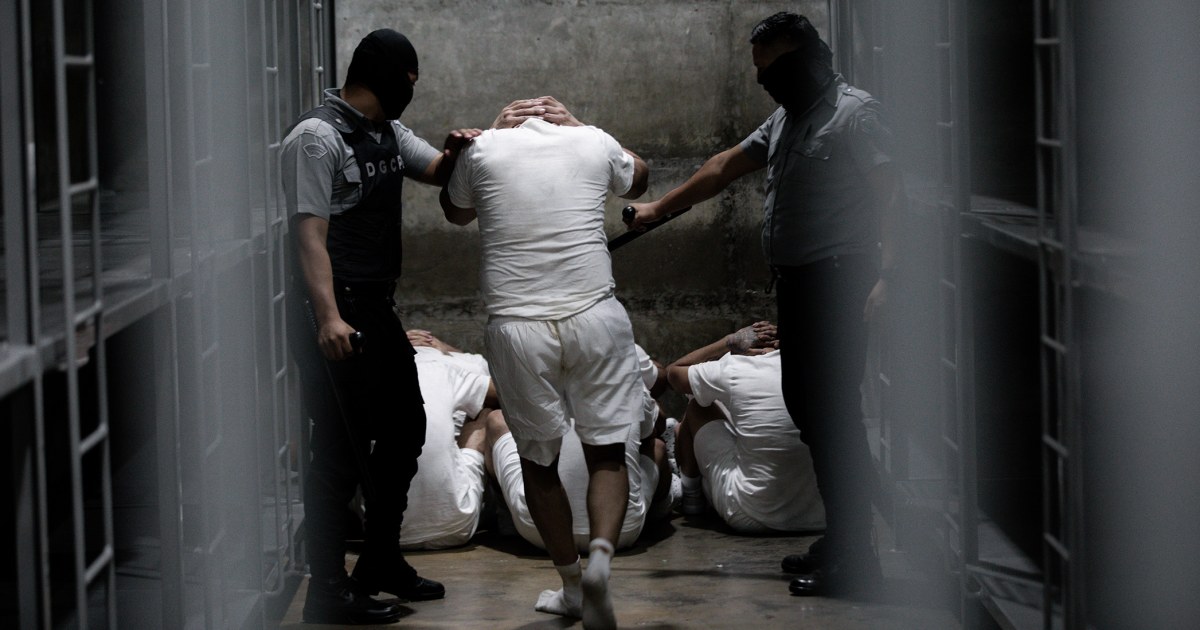
The proposed introduction of life sentences is viewed by many as another step towards an increasingly punitive and potentially oppressive legal system. Human rights groups have consistently accused Bukele's government of arbitrary detentions and stifling dissent, particularly during the ongoing state of emergency against gang violence. Detainees, often held with minimal evidence, face significant procedural gaps, raising serious concerns about due process and fundamental human rights.
Balancing Security and Rights: The Bukele Doctrine
Bukele's government staunchly defends these stringent actions as absolutely necessary to combat deeply entrenched gang violence that has plagued the nation for decades. His "mano dura" (iron fist) policies have undeniably led to a dramatic reduction in crime rates and garnered immense popular support domestically. However, the international community, particularly human rights watchdogs, frequently highlights the significant cost to civil liberties.
The debate in El Salvador thus centers on a critical tension: the perceived need for enhanced security and public order versus the preservation of democratic norms and individual rights. The legislative assembly, dominated by Bukele's party, is likely to push through the proposed life sentence reform, further cementing the president's ability to shape the legal landscape according to his vision.
This approach raises important questions about the long-term health of democratic institutions. While security is a legitimate concern, reforms that expand punitive measures, curtail presidential term limits, and allegedly lead to arbitrary detentions can contribute to a weakening of checks and balances, potentially undermining the very foundation of a democratic state. For nations observing El Salvador, it serves as a stark reminder of the delicate balance required to ensure both public safety and human dignity within a functioning democracy.
A Nation at a Tipping Point: Balancing Security, Sovereignty, and Rights
El Salvador's recent el salvador legal changes paint a picture of a nation in flux, led by a charismatic figure navigating complex internal and external pressures. On one hand, the pragmatic recalibration of the Bitcoin Law demonstrates a responsiveness to international financial realities, aiming to secure vital economic lifelines while retaining a strategic interest in digital assets. This move suggests a shrewd understanding of global economic constraints and a willingness to adapt policy to secure broader financial stability.
On the other hand, the sweeping constitutional reforms, particularly the introduction of life sentences and the controversial removal of presidential term limits, highlight a more assertive, and to many, concerning, approach to governance. These actions are championed by the administration as essential for national security and public order, resonating strongly with a populace weary of chronic gang violence. However, they simultaneously fuel fears of democratic erosion and human rights abuses, drawing sharp criticism from international bodies and civil society organizations.
President Bukele's popularity within El Salvador remains remarkably high, a testament to his administration's perceived effectiveness in tackling long-standing issues like crime. This popular mandate allows him significant leeway to implement policies that might face stronger resistance in other democracies. The challenge for El Salvador, and indeed for observers worldwide, lies in understanding how these divergent legal paths will ultimately shape the nation's identity. Will it emerge as a model of innovative economic strategy and decisive governance, or will it be seen as a cautionary tale where security gains come at the irreversible cost of democratic principles?
The trajectory of El Salvador offers a unique case study in the modern world: a small nation attempting to carve its own path through technological adoption and socio-political restructuring. The coming years will be critical in revealing the long-term consequences of these monumental legal shifts.